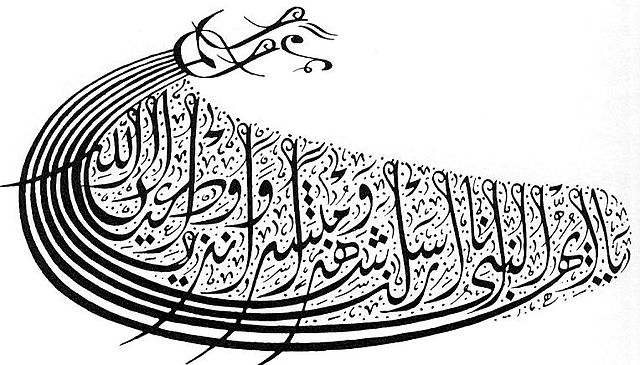
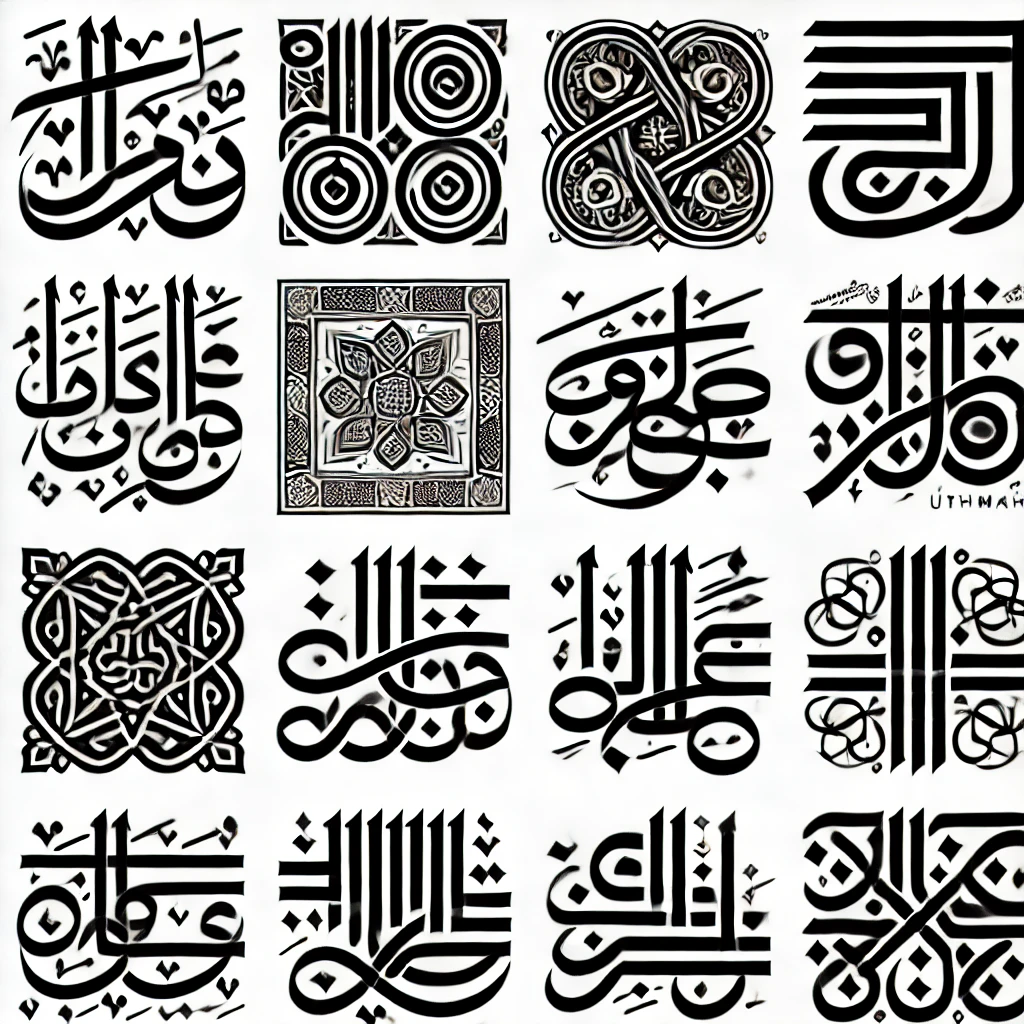
Calligaphy Styles

At TypeQuran.com, we specialize in preserving and digitalizing Quranic calligraphy in various classical and modern styles. Our carefully crafted fonts and layouts maintain the authenticity and artistic integrity of each script, making them suitable for print, digital publishing, and engraving.

Quranic Calligraphy Styles We Offer

1. Kufic Styles

One of the earliest Arabic scripts, known for its geometric structure and bold appearance.

  • Old Kufic – Used in early Quran manuscripts.
  • Floral Kufic – Decorative with intricate floral patterns.
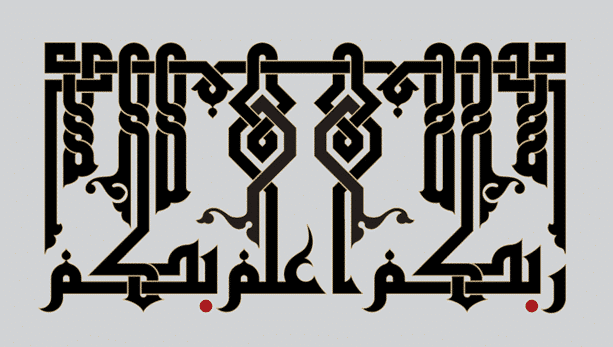
  • Knotted/Plaited Kufic – Interwoven calligraphic elements.
  • Square Kufic – Perfect for architectural inscriptions and digital art.
  • Fatimid Kufic – Elegant and stylized, used in historical Islamic texts.

2. Naskh / Uthmanic Script

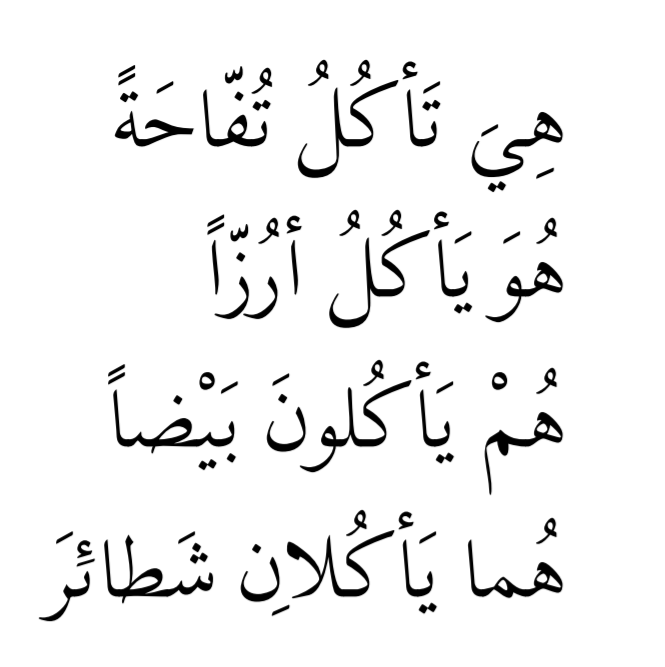
A widely recognized script, used in most modern printed Qurans, known for its clarity and readability.

  • Standard Naskh – The most commonly used script for Quran printing.
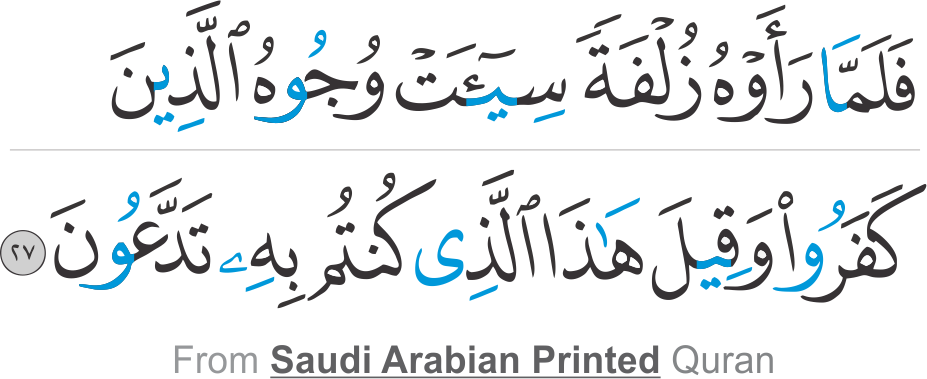
  • Ottoman/Uthmanic Naskh – Preserves the traditional Uthmani script style used in the Mushaf al-Madina.
  • Tajweed Naskh – Features Tajweed color coding for proper pronunciation and recitation.
  • Multi-Qira’at Naskh – Supports multiple Qira’at (Hafs, Warsh, Qalun, Ad-Duri, etc.).

3. Thuluth Script

A decorative script with elongated vertical strokes and artistic curves, commonly used in Quranic inscriptions for mosques and banners.

  • Traditional Thuluth – Used in mosque decorations and historic Quranic art.
  • Modern Thuluth – A refined version used in digital and print media.

4. Indo-Pak Naskh (Hindi Naskh)

A regional variation of Naskh, widely used in South Asia, characterized by thicker strokes and compact letter spacing.

  • Classic Indo-Pak Naskh – Found in traditional Indo-Pak Quranic publications.
  • Modern Indo-Pak Naskh – Optimized for digital reading and publishing.

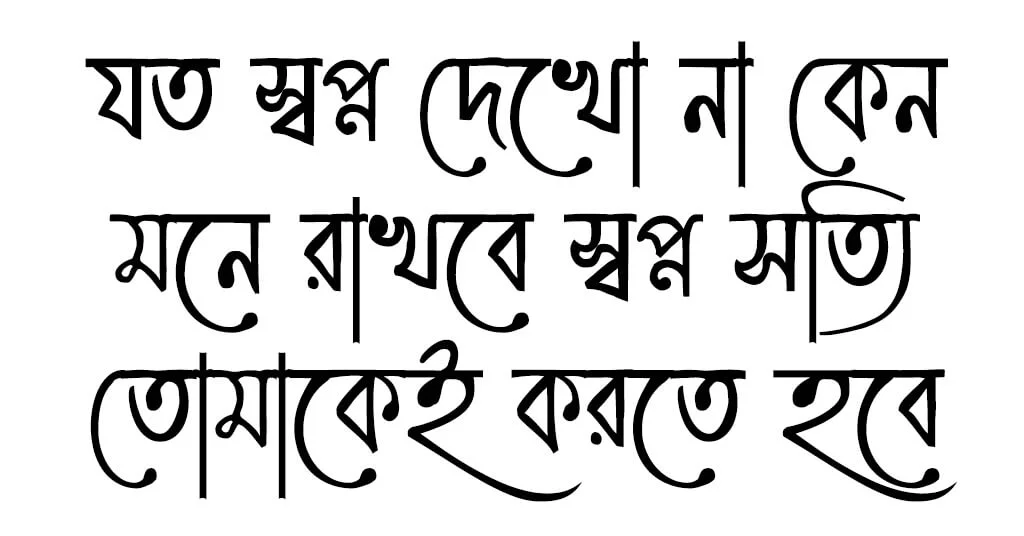
5. Bangla Style

A unique script variation used in Bangladesh, tailored for local Quran publications.

  • Bangla Naskh – A Quranic script adapted for Bengali readers.
  • Bangla Thuluth – Used for decorative Islamic calligraphy in the region.

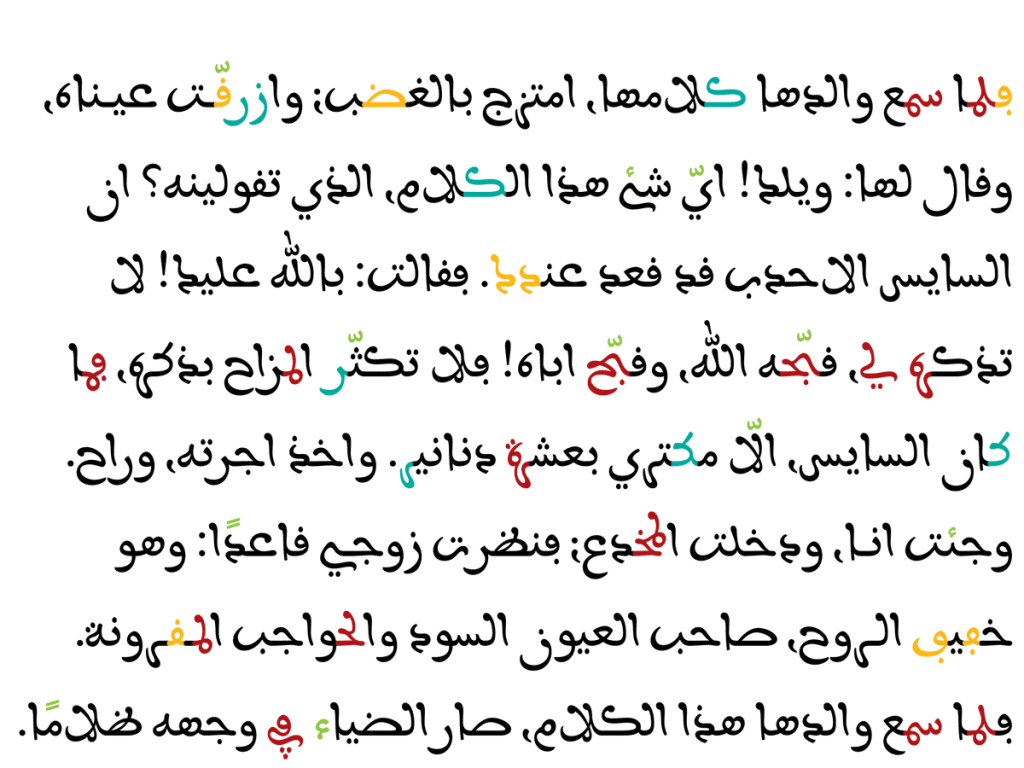
6. Maghribi Script

A calligraphic style popular in North Africa, featuring rounded letters and a flowing structure.

  • Classic Maghribi – Found in historical Quranic manuscripts from Morocco and Andalusia.
  • Modern Maghribi – Digitized for contemporary print and web use

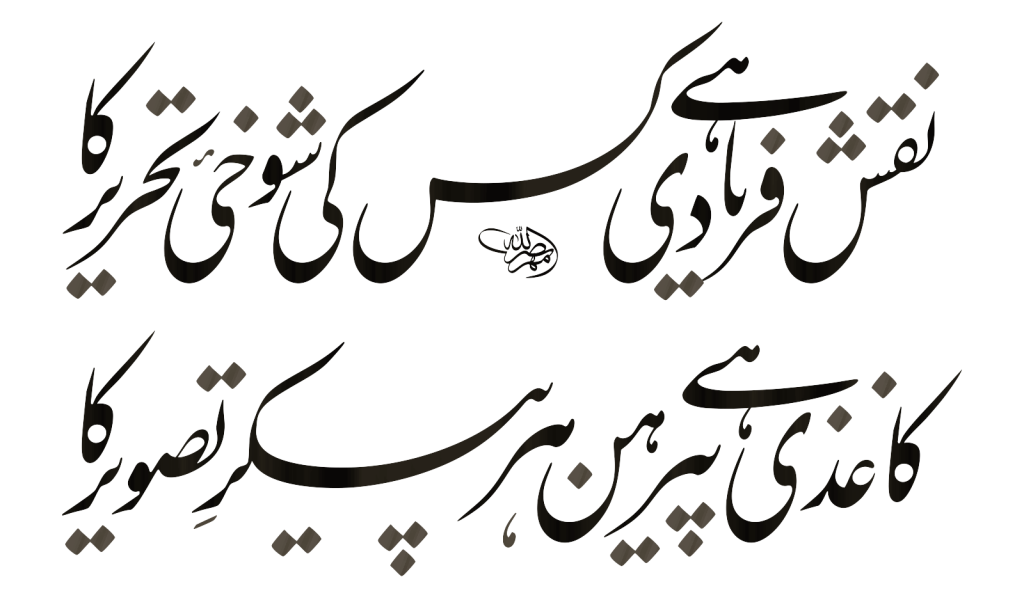
7. Nastaliq Script

A Persian-influenced style, widely used in Urdu and Persian calligraphy, characterized by diagonal flow and elegant curves.

  • Traditional Nastaliq – Handwritten for Urdu and Persian Quranic texts.
  • Digital Nastaliq – Optimized for print and online publishing.

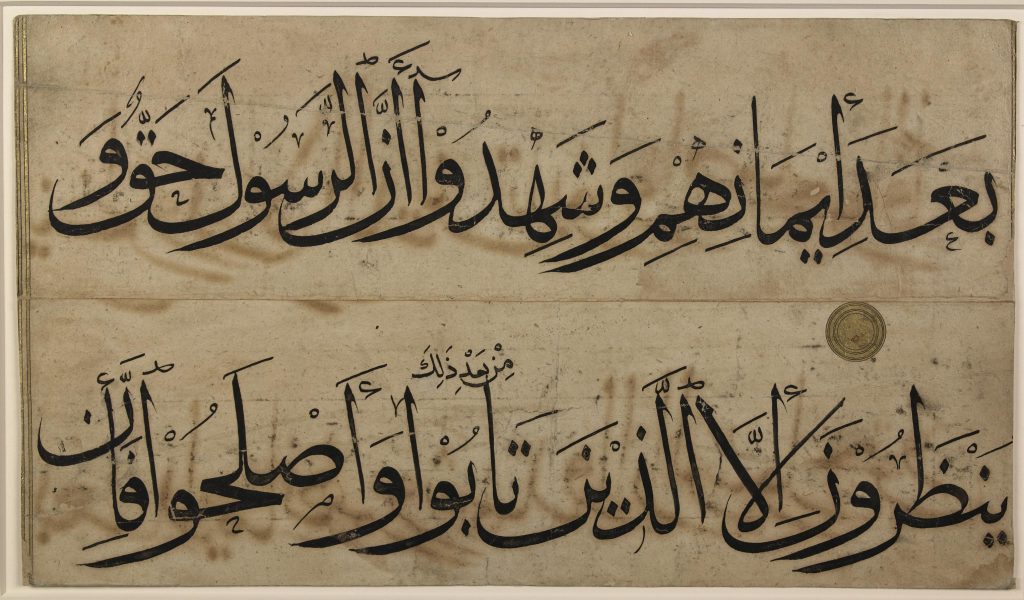
8. Muhaqqaq Script

A script known for its bold and elongated strokes, often used in historical Quranic manuscripts.

  • Classical Muhaqqaq – Featured in ancient Quranic calligraphy.
  • Contemporary Muhaqqaq – Adapted for modern digital usage.

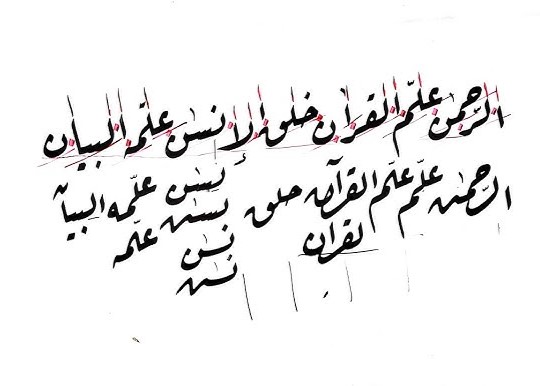
9. Riqa Script

A compact and cursive script, traditionally used for handwritten Quran copies and manuscripts.

  • Standard Riqa – Used in Islamic manuscripts and religious texts.
  • Simplified Riqa – Designed for modern printing and readability.

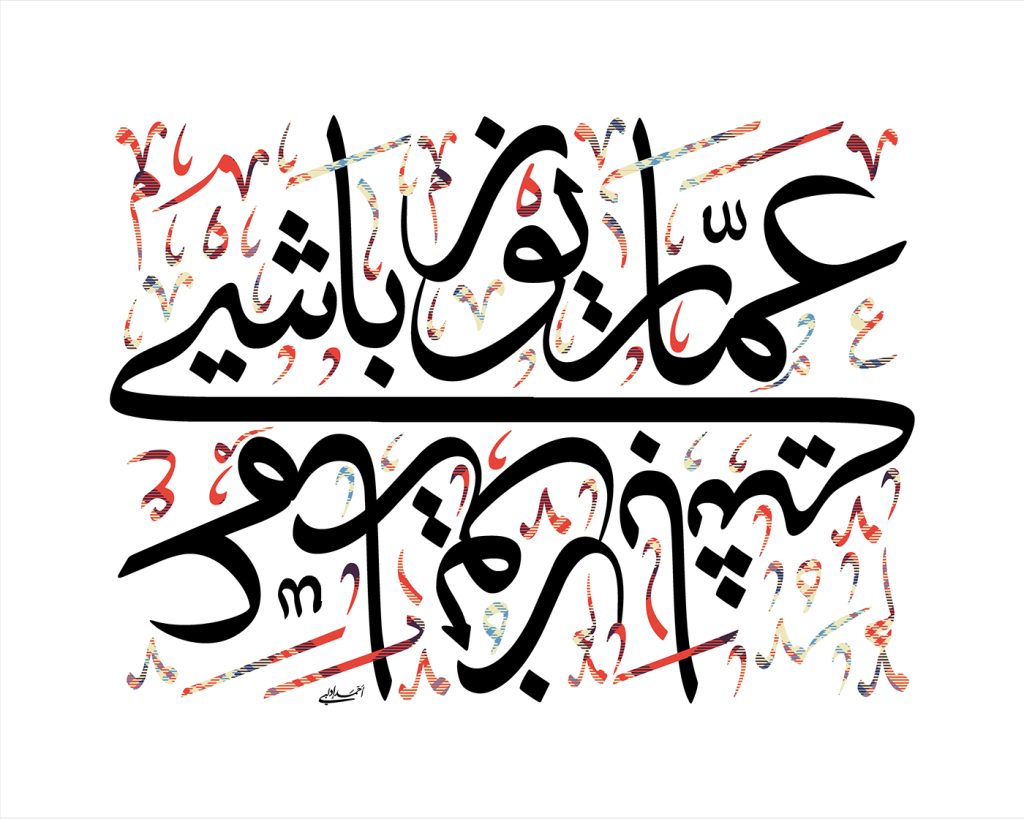
10. Diwani Script

A decorative script known for its complex and artistic flourishes, used in royal and official documents.

  • Traditional Diwani – Used in Ottoman and Islamic royal decrees.
  • Modern Diwani – Adapted for Islamic art and engraving.

Why Choose Our Calligraphy Styles?

  • Authentic & Traditional – Crafted by expert calligraphers to maintain historical accuracy.
  • Digitally Optimized – Available for print, web, mobile apps, and eBooks.
  • Multiple Qira’at Support – Designed for different recitations and Tajweed applications.
  • High-Resolution & Scalable – Suitable for engraving, architectural decorations, and digital publishing.

At TypeQuran.com, we ensure that each script reflects its true historical essence while meeting modern digital and print needs.

Scroll to Top